
Al-Khelaifi Unveils 'World Football Clubs' Plan as Clubs' Body Takes Aim at FIFA's Grip on the Game
EFC chairman Nasser Al-Khelaifi used the General Assembly in Copenhagen to propose a new global body for clubs worldwide, sharpening the governance fight with FIFA and Gianni Infantino.
Published 6 Oct 20263 min read
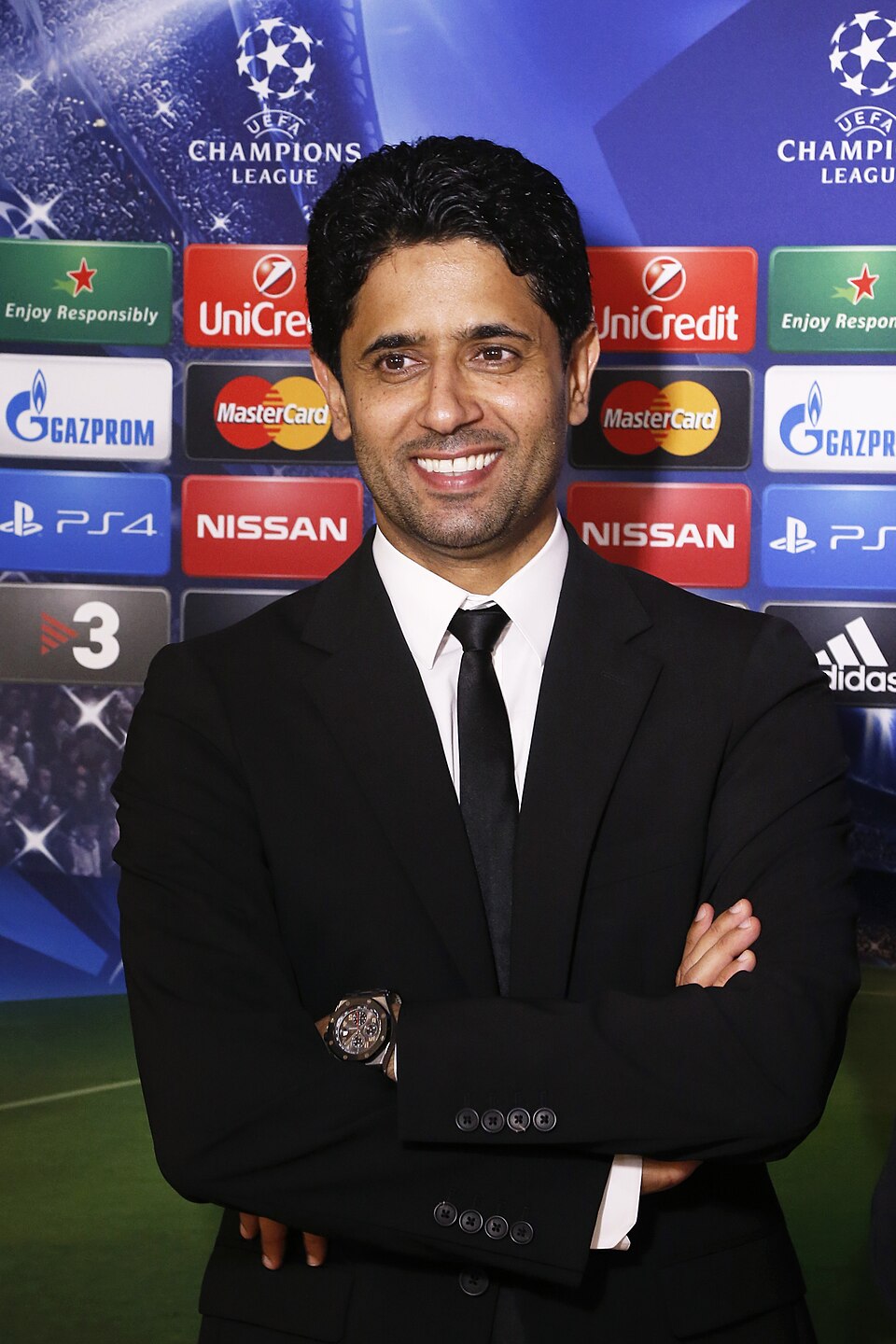
European Football Clubs chairman Nasser Al-Khelaifi has used the body's General Assembly in Copenhagen to propose a new global organisation, to be called World Football Clubs, that would give clubs on every continent a unified institutional voice for the first time. The plan, delivered in a speech that also took a veiled swipe at FIFA president Gianni Infantino, sets the clubs' body on a collision course with the sport's global governing body over who speaks for the teams that actually play the game.
The proposal is the governance story of the week in European football: a formal announcement by the chairman of the organisation formerly known as the European Club Association, delivered to member clubs at the assembly and reported by Inside World Football, Goal and a range of international outlets. It comes as relations between European football's leadership and FIFA have deteriorated sharply, with UEFA president Aleksander Ceferin comparing Infantino to the naked emperor of the fairytale in his own remarks around the same gathering.
What World Football Clubs would do
According to Al-Khelaifi, modern clubs have outgrown regional borders: their players, coaches, owners, commercial partners, brands and fanbases are increasingly global even while the clubs remain rooted in their local communities. Supporters, he argued, can now follow their teams from Copenhagen to Cairo or from New York to Tokyo — but the institutions that govern the game still represent national associations rather than the clubs themselves. The six continental confederations primarily speak for their member associations; World Football Clubs would be built specifically to represent clubs, inside and outside Europe.
We create benefits for clubs inside and outside of Europe. That is why now is the time to create World Football Clubs. Because every club around the world deserves to be represented; to have a voice, and a better chance to succeed.— Nasser Al-Khelaifi, chairman of European Football Clubs, speaking at the EFC General Assembly in Copenhagen
Al-Khelaifi did not spell out the new body's formal status, governance structure, membership criteria or timetable, and he did not say what powers it might seek within FIFA. But journalists present at the assembly, including Ben Jacobs, reported that some participants already view the project as an unofficial “sixth confederation” — a body that could challenge FIFA's influence by organising the clubs that generate the sport's revenue.
A rapidly expanded power base
The proposal builds on the dramatic growth of the EFC itself. Al-Khelaifi told the assembly that membership has risen from 247 clubs in 2021 to more than 900 across 55 countries, with a stated ambition of reaching 1,000. He also confirmed that Barcelona has returned to the organisation and that Real Madrid is in the process of rejoining — a sign that the bitterness of the European Super League split is easing at club level, even as the sport's institutions fight among themselves.
Alongside the global body proposal, the assembly approved governance reforms that give every EFC member a direct say in major decisions and allow all members to represent the organisation on UEFA, FIFA and other committees, with guaranteed female representation across the board's subdivisions. For smaller clubs, that matters as much as the headline announcement: it widens the door to influence beyond the elite circle that has historically dominated club politics.
Why it matters
If World Football Clubs becomes reality, it would redraw the map of football governance, where clubs currently negotiate power through regional bodies and individual commercial arrangements rather than through any global institution of their own. "Big clubs need small clubs. Small clubs need big clubs," Al-Khelaifi told the assembly. "No player can beat 11 opponents alone. The ball moves faster when we pass it. That is what a team is." FIFA has so far not formally responded to the plan, but the tone of the exchanges in Copenhagen suggests the argument over who runs world football is only beginning.
Reported by Ines Kovač for OneLightScore, based on reports from Inside World Football, Goal, Morocco World News and the Irish Independent. Cover image: Nasser Al-Khelaifi, Wikimedia Commons, CC BY-SA 4.0.