
Manchester United's Loss Widens to £43m as Accounts Reveal £63.5m Stadium Land Purchase
United's annual accounts show a £43m loss, record £677.6m revenue without Europe, and a £63.5m land deal for the planned 100,000-seat stadium as debt rises after a summer refinancing.
Published 24 Sept 20263 min read
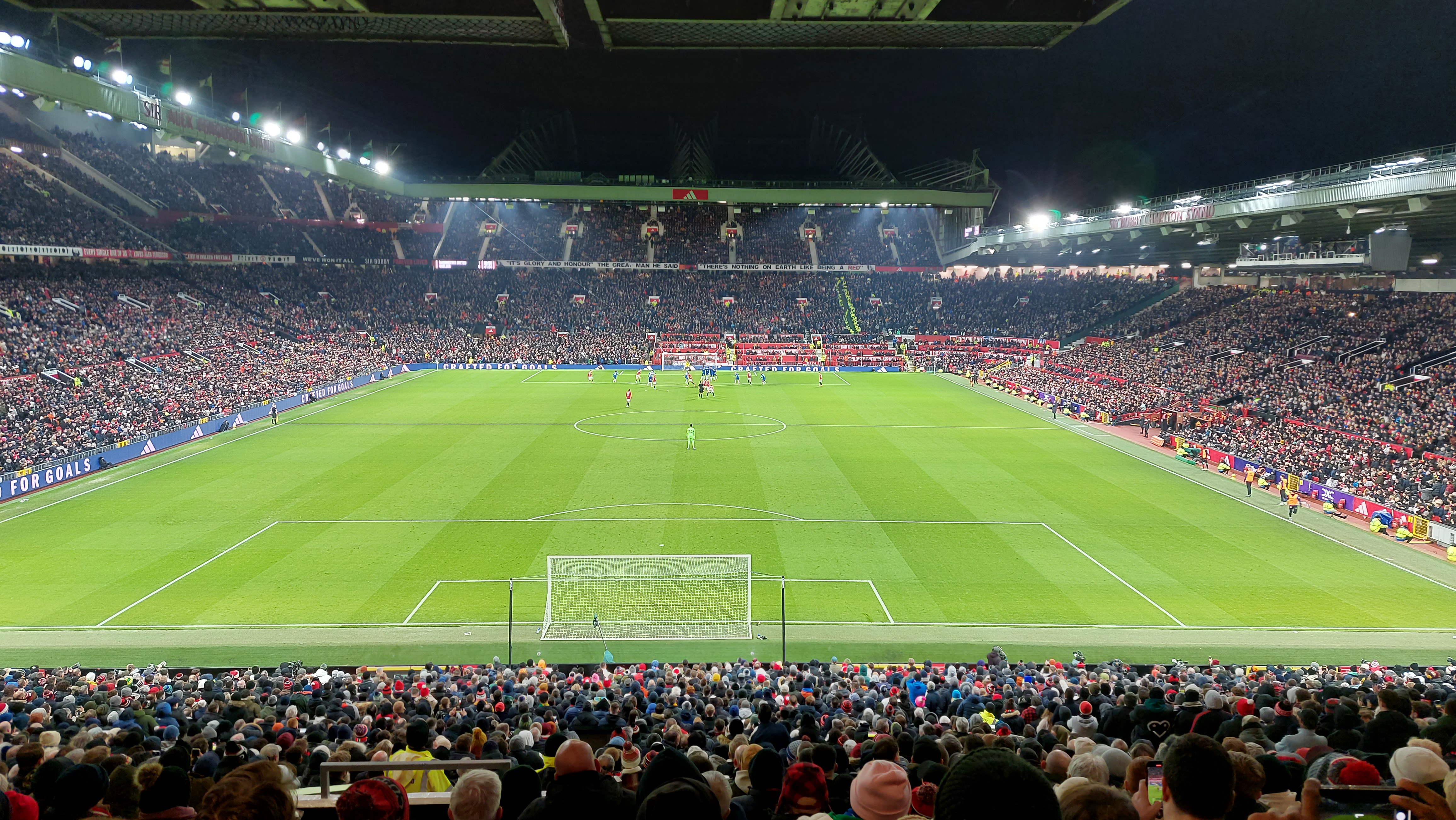
Manchester United's annual accounts for the year ended 30 June 2026, published with their New York stock-market results on Wednesday, show a net loss of £43 million — widened from £33 million the previous year — alongside a £63.5 million purchase of land for the club's planned new 100,000-seat stadium. The filing, released on 23 September, is the first full-year picture of the club's finances since a turbulent season in which they finished seventh in the Premier League and missed out on European football entirely.
Record revenue, but the losses keep growing
United posted record full-year revenue of £677.6 million despite not participating in UEFA competition, a figure Sky Sports News highlighted as the club continued to monetise commercial income independently of on-pitch results. The improvement on the commercial side was not enough to stop the bottom line from deteriorating: the accounts include an exceptional cost of £8.2 million connected to the departure of former head coach Ruben Amorim and the wider restructuring of the football operation.
The debt position remains the number the market watched most closely. The club still carries roughly £1 billion of historic borrowings, and interest costs are rising after a summer refinancing added around £94 million to the debt pile. According to the accounts, £63.5 million of that new money went on acquiring land intended for the new stadium — land United bought from industrial developer Indurent, as Property Week reported — with the club yet to explain publicly how the remainder was deployed.
The stadium bet
The land purchase is the clearest signal yet that United's hierarchy intends to push ahead with a new-build stadium next to the existing Old Trafford site, a project expected to cost in excess of £2 billion and seat 100,000 spectators. Chief executive Omar Berrada described the acquisition as an important stage in preparing the investment, and the club's New York-listed shares — up almost 24 per cent this year — slipped around 3 per cent in pre-market trading as the results landed.
Current expenditure includes £63.5 million on the acquisition of land required as part of our ambitions to build a new stadium.— Manchester United annual report, year ended 30 June 2026, published 23 September 2026
The strategy carries obvious risk. Spending on bricks and land while the wage bill and a widening loss continue to grow leaves United more exposed to football income than at any point since the Glazer family's leveraged takeover in 2005. Under the Premier League's new squad cost ratio rules, which replace profit and sustainability regulations from this season, every pound borrowed for the stadium tightens the margin between football revenue and the 85 per cent ceiling on squad spending.
In a lighter commercial sideshow reported by the BBC, United are also selling preserved chunks of the Old Trafford pitch, relaid for the first time in 14 years this summer, in acrylic cubes for £125 each — a reminder that the current ground still has monetising life in it while the new one remains a line in a land registry document. Whether the stadium proves a transformational asset or a decade-long drain on the balance sheet will define the next era of the club's business story.
By Ines Kovač, OneLightScore football business and governance correspondent, drawing on Manchester United plc's annual results published 23 September 2026 and reporting by Sky Sports News, the BBC, Property Week and StadiumDB. Cover image: Old Trafford, view from the Stretford End, via Wikimedia Commons, used under its published open licence.