
UEFA and Concacaf Tell FIFA: Hand $2.1bn of Reserves to All 211 Member Associations
UEFA's Aleksander Čeferin and Concacaf's Victor Montagliani demand FIFA release at least $10m per member association — a $2.1bn one-off payout from its $6bn reserves — ahead of the 15 October FIFA Council meeting.
Published 22 Sept 20263 min read
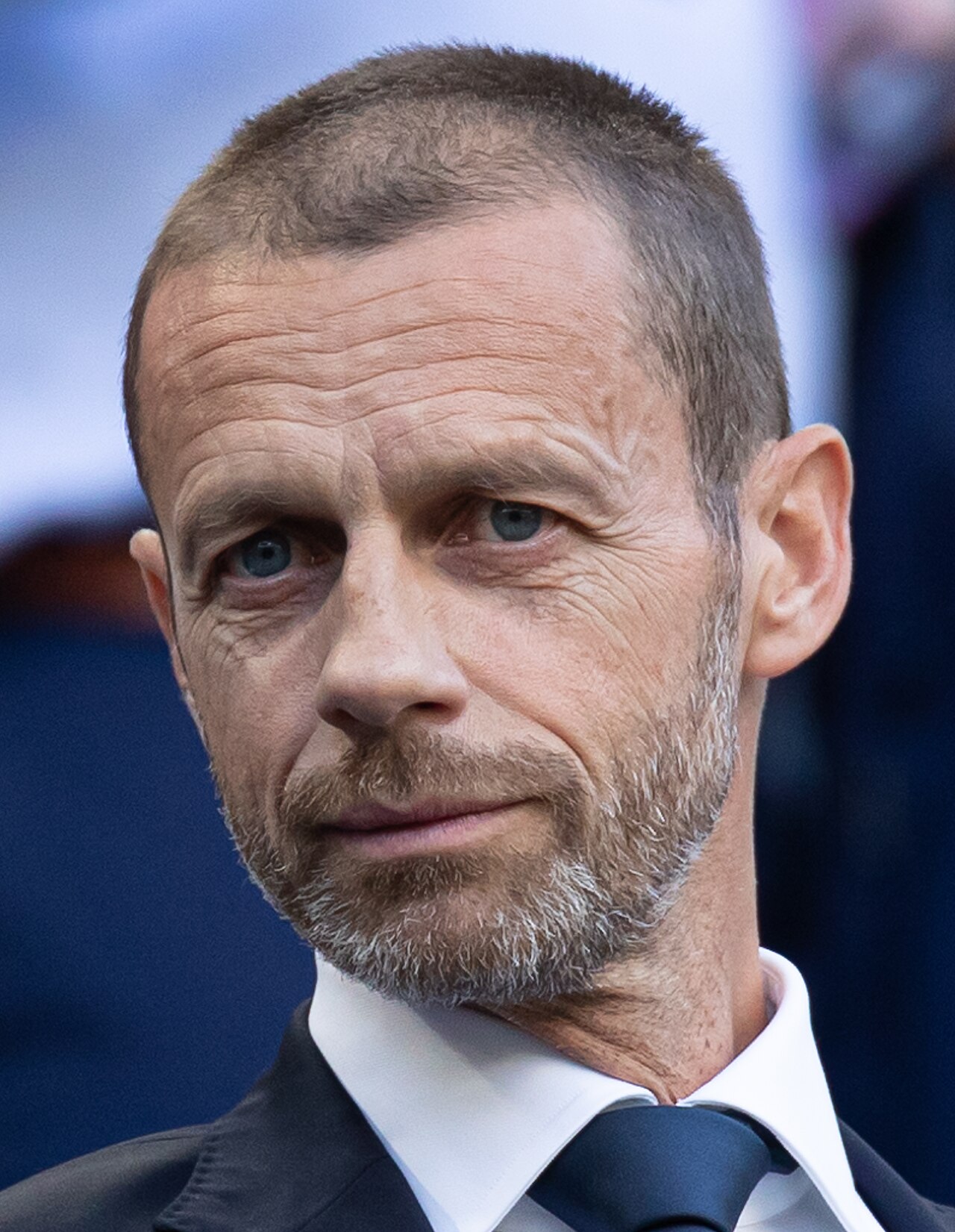
UEFA and Concacaf Tell FIFA: Hand $2.1bn of Reserves to All 211 Member Associations
UEFA president Aleksander Čeferin and Concacaf president Victor Montagliani have written to FIFA president Gianni Infantino demanding a one-off release of at least $10 million to each of FIFA's 211 member associations from the governing body's cash reserves — an aggregate payout of approximately $2.1 billion. The joint letter, sent on Friday 18 September 2026 and obtained by BBC Sport and AFP, is the latest escalation of the governance conflict that followed Infantino's aborted plan to sell a stake in the World Cup to private investors.
The two confederation presidents argue that FIFA is on course to close the 2023–26 cycle with reserves of roughly $6 billion, far more than the organisation needs through to the 2030 men's World Cup — and that the money should go to the game rather than sit on the balance sheet.
What the Letter Demands
According to the letter, the $10 million per association over the 2027–30 cycle would come in addition to FIFA's regular development funding — which has risen to $8 million per country per four-year cycle under Infantino — and should be earmarked for investment in infrastructure and football development. Čeferin and Montagliani's own analysis, cited by The Independent, indicates that even after the payout FIFA's reserves would remain above $1.5 billion throughout the 2027–30 cycle.
The letter proposes that the confederations jointly complete the analysis and submit recommendations on disbursements through FIFA's governance process at the next FIFA Council meeting, scheduled for 15 October 2026. Ceferin and Montagliani have also written to the presidents of the Asian, African, South American and Oceania confederations seeking their backing, and called once more for an independent review of FIFA's finances with full access to the underlying figures.
Releasing part of these reserves would demonstrate that member associations should not have to choose between development and good governance; between investment and integrity; or between financial support and the ability to consider proposals on their merits.— Joint letter from Aleksander Čeferin and Victor Montagliani to Gianni Infantino, 18 September 2026
The Backdrop: A Collapsed Deal and a Wider Revolt
The demand is a direct response to Infantino's FIFA Forward Entertainment proposal, which would have bundled FIFA's commercial assets — including the men's and women's World Cups — into a standalone company and sold a minority stake to private equity. The plan was scrapped on 1 August after four days of opposition, with UEFA, Concacaf and the Asian Football Confederation all rejecting it. Reporting by Ministry of Sport notes Infantino had offered member associations a funding boost of up to $40 million contingent on backing the plan, with a September deadline — a structure the letter implicitly attacks.
The intervention came a day after FA chair and FIFA vice-president Debbie Hewitt wrote to Infantino and secretary general Mattias Grafström demanding full disclosure of all documents relating to the scrapped plan. With UEFA still openly weighing a challenger for the presidential election due next March, the coordinated letters put the FIFA Council meeting on 15 October at the centre of football's governance battle.
For football's finance watchers, the significance is straightforward: UEFA and Concacaf are no longer just objecting to how FIFA raises money — they are now dictating how its existing $6 billion should be spent.
Sources: BBC Sport, France 24 (AFP), The Independent, Ministry of Sport, Sports Business Journal (The Times). Author: Ines Kovač, football business and governance correspondent, OneLightScore. Image: Aleksander Čeferin via Wikimedia Commons (CC BY-SA, reusable licence).