
Celtic Post £4.8m Loss as Europa League Season and Fan Boycott Cut £32m Off Revenue
Celtic's annual accounts show a £4.8m loss after tax, with revenue down 22.7% to £111m after a season in the Europa League — and a £7.1m fall in commercial and stadium income that fan protests may help explain.
Published 24 Sept 20263 min read
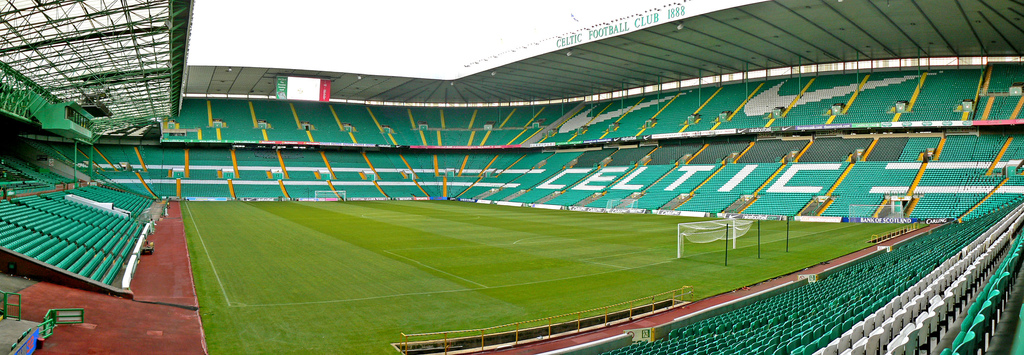
Celtic have posted a loss after tax of £4.8 million for the financial year ending June 30, 2026 — a swing of almost £39 million from the £33.9 million profit recorded a year earlier. The club's own annual report, published this week and carried by BBC Sport and the Daily Record, attributes the reversal almost entirely to a season spent in the Europa League rather than the Champions League, with revenue down 22.7 per cent to £111.0 million from £143.6 million.
The pre-tax picture is starker still: a £6.6 million loss against a £45.7 million profit in 2025, as gains from player sales fell from £31.5 million to £16 million and operating expenses, including labour costs, rose 4.3 per cent to £122.1 million. Cash in the bank dropped £10.9 million, from £77.3 million to £66.4 million.
The Champions League gap, itemised
Missing Europe's top table costs a Scottish champion twice: once in UEFA distributions, and again in everything that travels with it. The accounts show the knock-on effects the club itself flagged — ticketing income and retail both fell — while the commercial and sponsorship line dropped from £36.1 million to £31.7 million and stadium operations from £10.5 million to £7.8 million, a combined decline of £7.1 million. The Daily Record's analysis notes that the drop coincides with the Celtic Fans Collective protest, launched in October 2025, which urged supporters to stop buying merchandise and cut matchday spending inside the ground — a question the club's own figures now pose but do not answer.
Interim chairman Brian Wilson, addressing supporters in the results statement, framed the loss as the price of a single-season European shortfall rather than a structural problem. The club point to the balance sheet — £66.4 million in cash remains among the healthiest in Scottish football — as evidence that the underlying business has not deteriorated in the way the headline swing suggests.
Spending continued after the year closed
The more consequential numbers fall outside the reporting period. Since June 30, Celtic have committed £31.6 million to permanent signings — Kasper Høgh, Camilo Duran, Mika Baur, Haissem Hassan, Joel van den Berg and Jordan Lotomba — with loan deals for Landon Emenalo, Shumaira Mheuka, Sam Johnstone and Oliver Sorensen on top. The outlay, confirmed in Wilson's statement, marks a departure from the frugal recruitment the board has been criticised for by sections of the support, and it lands the cost of this European question squarely on the new season: qualification for the 2027-28 Champions League is now worth roughly £35 million of swing in a single campaign.
For the Scottish Premiership leaders, the accounts land at an awkward moment. A difficult start to the domestic season has sharpened scrutiny of the board's spending decisions, and the £7 million hole in commercial and stadium income will be read by some supporters as proof that the boycott registered. What the report makes unambiguous is the arithmetic of Scottish football's two-tier European economy: the same squad, in the same stadium, is a £45.7 million profit in the Champions League and a £6.6 million loss outside it.
Reported by Ines Kovač, OneLightScore football business and governance desk, from Celtic's annual results for the year ended June 30, 2026, as reported by BBC Sport, the Daily Record and The Celtic Way. Figures are as stated in the club's published accounts.